El debate está planteado: ¿la entrada en escena de los biocombustibles traerá prosperidad y aire puro o más hambre y miseria?
"¿Dónde y quiénes van a suministrar los más de 500 millones de toneladas de maíz y otros cereales que Estados Unidos, Europa y los países ricos necesitan para producir la cantidad de litros de etanol que las grandes empresas norteamericanos y de otros países exigen como contrapartida de sus cuantiosas inversiones?" pregunta Fidel Castro en una nota el 4 de abril, 2007 en el diario cubano Gramma.
Sostiene que los países pobres van a dedicar cada vez más de sus granos de soya, maíz cebada, sorgo, centeno, mijo y avena a la exportación para las usinas de biocombustibles, produciendo futuras hambrunas en los países más pobres.
Castro agrega: "Decenas y decenas de países no producen hidrocarburos y no pueden producir maíz y otros granos, ni semillas oleaginosas, porque el agua no les alcanza ni para cubrir sus necesidades más elementales."
En cambio, el principal asesor de política exterior del Presidente Lula da Silva de Brasil, Marco Aurelio García, opinó que "El hambre en el mundo no es un problema de falta de alimentos, sino de falta de renta. En segundo lugar, hemos demostrado que las tierras cultivables en Brasil para biocombustibles no son propias para producir alimentos." (Página 12, 5-4-07)
Por otra parte, la necesidad de contar con cantidades cada vez mayores de granos ya está produciendo otro efecto que no tardará en entrar en el debate: habrá un gran aumento en el desmonte de reservas y bosques naturales para dar lugar al cultivo de los granos necesarios para satisfacer el creciente apetito de los fabricantes de biocombustibles.

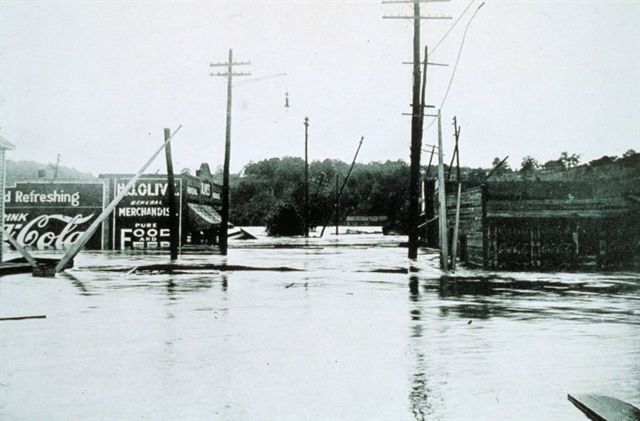 Worried about the future? Can't sleep at night twisting and turning with the end of the world dancing in your dreams? Just read the United Nation's Intergovermental Climate Change report predicting a 3% increase in temperature? Got sleeplessness thinking about that 30% of animal species that could be wiped out due to the warming up of the planet? Oh. And the hurricanes, floods and devastation that await the United States? The transformation of the eastern part of the Amazons into savannah? Did it surprise you that those affected most will be the world's poor, even in the developed counttries, or that the main contaminators, the United States, China...are doing little to amend the situation?