Blogia
Buenos Aires Jaque Press, en inglés y español

Revista (Magazine)

George Washington, el aborto y las guerras de no acabar...

George Washington, el aborto y las guerras de no acabar...

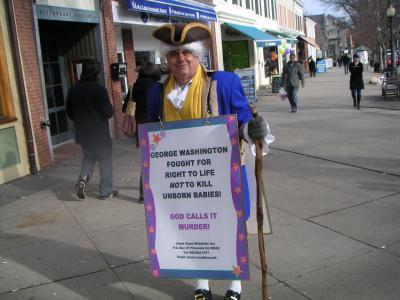
    Es un señor que se pasea por la calle principal de Princeton, New Jersey, pero cabe aclarar que no es aquel George que mandó  al mar a los ingleses en la guerra de 1776, tampoco el otro George, George Bush, el señor que por ahora habita medio preocupadito una enorme mansión blanca en Washington, capital de los Estados Unidos de América, luego de invadir a Irak por cuenta propia y causar unos cuantos escalofríos, sin hablar de los muertos...

     El cartel del George de la calle Nassau, en Princeton, dice: “Luchó George Washington por el derecho de vivir, no por el derecho a matar fetos. Eso Díos lo llama asesinato.”

     Pues cada cual con su tema. Pero si de Díos se trata, ha de andar bastante triste por los desastres provocados por sus criaturas, por la incesante lucha por el poder,  por la destrucción del medio ambiente, por las guerras, por la producción de armas nefastas, mientras niños mueren de hambre y se atrevan a evocar su nombre para llevar a cabo sangrientas lucha por el dominio de los recursos naturales…


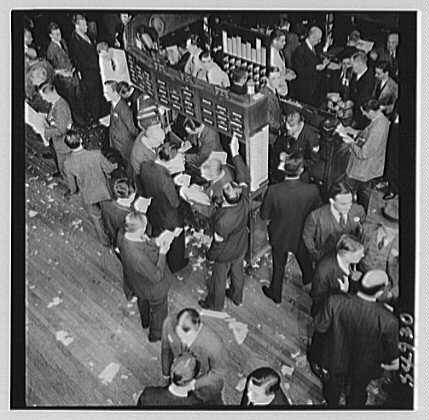
Siglo de siglos...cambalache...Wall Street...y...vaya uno a saber...

Siglo de siglos...cambalache...Wall Street...y...vaya uno a saber...


Un viento furioso arrasa y dispersa la apuesta,

Llantos solitarios se alzan y mueven el andar,

Todos los gestos se dirigen al billete verde,

Y ustedes se quedan mirando, admirando, suspirando,

de brazos cruzados, piernas entrelazadas,

se quedan mirando, admirando, suspirando, mientras

explota el mercado, en llamaradas, cabeza agachada,

(y sólo quedarán cenizas)

una voz desde la tumba, ronca, grita :

"comprar, comprar, producir, comprar, el cielo abre sus brazos a los compradores."

(luego, el silencio, algo se mueve al otro lado de esos muros negros,

refugio de aquellas almas alegres que no compran,

seres de otros mundos que viven, simplemente. "

The pub, progressives, conservatives, eight hundred dollar rebates and motley vibes...

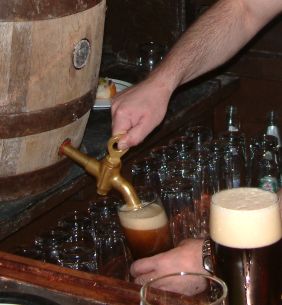
The pub, progressives, conservatives, eight hundred dollar rebates and motley vibes...       You can call it a pub or an inn or whatever you like. They pop up all over the U.S., way out in the sticks or in the slick nick and crannies of academia. There are several threads that knit them together. Beer from the insipid Miller's variety to the most exotic imports. Football. Football. Football, northamerican style, featuring players that look like gladiators, projected on several screens, while drinkers sip the tarnish colored brew.

      There's a picknic spread out on the table of an inn at the snowy cross-roads not too far from Buffalo, New York. Fried chicken, finger dips, oh, and some dainty choclate cakes dressed with red, white and blue frosting. The event is in celebration of the departure of some young soldiers for a second tour of duty in Afghanistan. They pose for the flashing digital cameras, before a hand written sign that says:

     "The object of war is not to die for your country, but to make the other BASTARD die for his." Signed: Gen. patton. Gulp! Gulp! Gulp! Gulp!

     A rough-n-ready type, retired, big hands, deep blue eyes that jerk right and left engages you in a chat. You can't hear very well because of the loud blasting microphones that transmit the country music twangs of the lone singer.

    "Yea, things are tough, that's true, but they're gonna get better. You'll see.
    "You mean in Iraq?"
    "In Iraq and at home."
    "I don't know about that."
    "Hard to fight against guys that have no qualms in blowing themselves up, killing innocent people. But we're gonna win this, you can bet on that."

    Your host gives you a nudge, as if to say its time to hit the road. To the other side of town, to a gathering of university types at a beautiful colonial style home, no TV, no football, nobody spends more than a minute talking about it. There is an excellent collection of wines, red, white and rose, and on the tables a belly warming asortment of tasty ingredients.

     "Clinton represents the establishment. That's clear, no matter what she says about change."

     The speaker is a youngish and attractive university professor, whose English lacks that typical Mid-western twang.

     "Well, they all talk about change, don't they," puts in a jovial faced academic.

     There's a bit of music in the background, but it isn't country, it sounds like Vivaldi, although from time to time a mellow voiced crooner goes on about that fleeting never entirely understood feeling: love.

      It's hard to find anyone in the crowd willing to say anything nice about President Shrub, and they are wary about the Democrats, but woh! When has there ever been an Afro-american candidate (Barack Obama) for the presidency, confronting a woman (Hillary Clinton)? Sounds great. But then, this primary system is not very democratic, ventures a youngish type, who could be a student. I mean, you might get almost as many votes as your opponent but not get a single delegate for the national convention. And then: who chooses the candidates? How many millions do you have to spend to get elected? From what lobby groups...what compromises imprison you even before you take office?

     It's snowing out, when you leave the gathering. You turn on the radio. Talk about change! It seems even the government is worried about a possible recession. Nearly 7% unemployment in Michigan, for example. The car industry going elsewhere, the price of globalization. Millions without medical care. And try going to a doctor! Around $70 just to see him. And another round if you want your prescription renewed. Unless you have a solid medical insurance plan...Well, in a consumer society how do you get things going? You get people to consume more, say the pundits.

     So why not take one percent of the GNP, that's around $145 billion, and give everyone a rebate so they can buy more and get the dollars rolling? (By the way, this is the U.S.A., not Argentina, not what used to be called the Third World...) That government proposal would send $800 dollar checks to everybody, $1,600 for couples. An injection of optimism in the face of Wall Street jitters. Financial scandals. Home mortgage fiascos. Escalating oil prices. And if you've got a business, tax reductions so you can invest in new equipment. And, well, a rosy incentive on the eve of the November elections...

     Woh! Just imagine! In a couple of months the mail is going to be flooded with letters containing $800 or $1,600 dollar checks! You come home from a hard day's work at the office or factory and see an envelop with the unmistakable markings of the Federal Government. The check has arrived! 

    For a moment let's forget about the cost of printing and sending all those checks. Will there really be an upsurge in purchases? What kind of society is it whose well being is based on buying more and more things, independently of their real usefulness? Is progress only measurable in terms of what you can buy? Are you measured up by others on that standard? If people were just to live with the essentials, would that provoke an economic disaster?

    Let us know if you have an answer to any of those questions. In the meantime, what about another beer at a pub? At least it is a very chummy place, where you can shoot the breeze or maybe even score in on... 

A frosty talk with a not-very-environmentalist bus driver...God save America...and the whales

A frosty talk with a not-very-environmentalist bus driver...God save America...and the whales


It was one of those John Frost mornings. The gentle snow flakes knocked at your eyes and trickled down your neck. There you were shivering at a gas station, turned bus stop, with the twang of country music ringing your ears. That’s a logical place for a bus stop, you think, because this is U.S.A., land of the free and of cars. Cars to get to work. Cars to go to the gymnasium. Cars and super-highways to settle your mind. Or disturb it.

But once in a while, a bus does come in handy…There it is! The flashing “God Bless America” sign comes into view almost before the vehicle itself. You get on, settle down for a long ride along Pennsylvania’s western highways. You’re the only one on board, so you propose a chat with the middle aged bespectacled driver.

“looks a bit bleak out.”
“You might say so.”
“Like the economy.”
“I don’t know. The mass media is always stirring up something.”
“Well, oil is hitting the $100 mark.”
“You know what the problem is?”
“Well, I don’t know, but when oil goes up everyone seems to go bananas.”
“Thing is, those environmentalists won’t let the companies drill?”
“You mean for fear of contamination, ecological disaster, the warming up of the planet?”
“Yea, you said it! But why in the Hell should we pull our hair out when countries like China and India don’t give a whit about contamination?”
“I guess you got a point there.”
“The whole economy is based on petroleum and those nuts want us to strop drilling! That’s completely crazy.”
“Hmmm.”
“And then we have to go to place like Iraq to make sure we get oil.”
“hmmm.”
“There’s enough in Alaska for the next 200 years! All this talk about alternative energy is but chatter ‘cause even to get electricity we need oil. You can’t just drop oil. The whole world would collapse.”

The conversation came to an abrupt halt when a group of passengers get on at Alfred. It’s not cool to chat with the driver when too many ears are on board, so you pick up a magazine, the January edition of “The Progressive,” and read:

“According to some estimates, as much as 25 percent of the plante’s remaining petroleum reserves are in the Artic. The U.S. portions of the Beaufort and Chukchi Seas lie atop 23.6 billion barrels of oil, according to Petroleum News.

The article then mentions Isac Nukapigak is the president of Kuukpik, the native corporation at Nuiqsut, and then asserts:


“When ConocoPhillips wanted to put the Alpine field into production, it needed to use a portion of Kuukpik’s lands to do so. Nukapigak drove a hard bargain, nd as a result, the village corporation is flourishing. Yet he’s far from easy about the prospect of more oil leases in the waters he and his whaling crews hunt each year.”

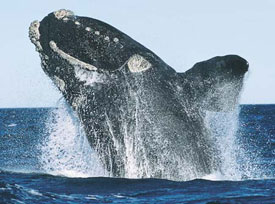
The native residents and environmentalists are concerned about possible oil spills that could devastate the whale population—the livelihood of the population in the area. The seismic prospecting that oil companies need to determine where to drill creates loud underwater sounds that are problematic for all marine mammals. Thirty percent of the native Inupiat diet consists of mammals, another 30% fish…

Everyone in the area remembers the Exxon Valdez disaster at Prince William Sound, a spill that so devastated the lives of commercial fishermen that many have not yet rebound.

Nukapigak asks a question which neither the oil companies nor the Shortline bus driver, nor middle America dare utter: “Are we part of the U.S.? Are we citizens? Or because we are natives are we just brushed away?”

A great trip, you mutter into your beard as you step off the bus and into New York City’s slushy streets, pick up The New York Times and learn that the war in Iraq is likely to last at least another presidency and who knows how high the price of oil is going to reach and the stock market is still jittering and would it be better to reduce interest rates or...

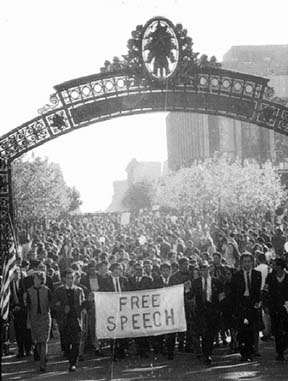
The guy was reading a book at Berkeley so I asked him...

The guy was reading a book at Berkeley so I asked him...  

      It could have been anyone, but the fellow with the scrubby grey beard, engrossed in the reading of a thick book, seemed to be an ideal candidate for an obvious question:

     “I bet you’re a survivor of the 1960’s!”

     He closed his book and relaxed his legs from the loto position he had assumed there in front of the Golden Bear at the University of California at Berkeley campus.

     “It’s pretty obvious I have survived.”

      His sense of irony fed my instinctive curiosity.

     “That’s true,” I replied “but what I meant was, well, there aren’t too many vestiges of the days when Berkeley students were lambasting the war in Vietnam and participating in protests against racial discrimination…”

      “Things have changed, true…where are you from?”

      “Argentina?”

      “You don’t say! I’m from Madrid…”

      “But a survivor of the ‘60’s.”

      “Yea. I graduated from Berkeley in ’64.”

      “Things sure have sure changed!”

      “No long haired types, no LSD, no beatniks, no anti-war rallies…”

     “And not too many far-out books, at least along Telegraph avenue...”

     “Nowadays there’re just interested in getting a degree, passing the tests and, well, they don’t have time to think.”

      “About preventive wars, the warming up of the planet...Iraq…”

      “You know why that’s not on the menu?”

      “I don’t know. Maybe because the new generation has gone Nerd.”

      “It’s more simple. During the Vietnam war, the draft still existed, the reserves too. Now they fight wars with volunteers.”

       “If you say: ‘I want to go fight for America’ what can your friends and relatives say?”

       “That’s true. But then you’ve got the multi-billion dollar defense budget, the skyrocketing debt, the mortgage crisis, dipping deep into your pockets to pay the doctor’s bill…”

        “Vaya uno a saber…”

        “Un abrazo…ha sido un gusto hablar con un sobreviviente…”

        So we parted. There was a homeless fellow seated at the entrance to the university, also a survivor of the 1960’s, at least in age. Not everyone is happy living in a suburb, two cars, a dog, a cat, a blackberry, a wife, two children and a talking parrot,” I thought to myself. I suppressed my desire to chat with the homeless chap. I had a pretty good idea of what he’d say, anyway.

Nada somos y todo, nada es todo

Repletas y suaves las brisas
    los cuerpos tibios
    en tierra de amantes ignorantes
Brisas sabias, ancianas, suculentas
    nada sucede, todo sucede
    en tierra de amantes ignorantes
Suaves soplos de viento fresco
    los cuerpos tiesos
    en tierra de amantes ignorantes
Nada sucede, nada es para nadie
    tu amando es un ser ajeno
    ignorante amante de tempestades 
Nadie eres, nada eres y todo
    un soplo de amante ignorante
    en tierra universal y mutable. 
Nada somos y todo, nada es todo.

Acerca del arte de comer a las 13 de la tarde en un pueblo de una provincia argentina...

     "D'Comer" puede aparecer como un producto comercial pero es un boliche al estilo gaucho, con horno a barro, techo de paja, mozos terriblemente neviosos y clientes que en general exceden ampliamente dos personas de peso normal. El lugar ha sido popularizado debido a la fama de uno de los clientes más fieles: el Doctor Cipriano Delgado, reconocido especialista en dietas no convencionales.

        Es el único lugar con señal de vida a eso de las 13 horas en este pueblo perdido en la Pampa. Será por eso que el hambriento viajero puede gozar no sólo de los insólitos gustos de los platos hundidos en aceite y grasa: el aire húmedo del boliche se llena más aún con la voz de un cantante tan ancho como alto y con y con menos pelo que el papá de los Simpson.

        En mi caso particular, digo, tuve que esperar tan sólo 43 minutos para probar las dos empanadas criollas, una arabe y una "machista." Esta última consiste de varios quesos, piqantes varios, cebollas y vaya saber qué otros ingredientes. No importa. Allí estoy yo, alto, flaco, enjuto, barbudo, marcando la música con mis dedos finos y echando gestos de displicencia al mozo. ¿Qué hacer en tales circunstancias? Miro, estudio el ambiente, saco conclusiones filosóficas y culinarias. 
    
       Las panzas de la pareja en frente representan una excepción a la regla: no luchan con la estrechez de sus remeras o camisas. Ahora bien, ellos llegaron 15 minutos después de mi entrada gloriosa: el hombre todavía en sus mocedades, ella con un destello de pasión acabada en los ojos. No es lo que importa en este relato. La parrillada que llegó a la mesa--carnes sumergidas en humo, el sonido tipo canto que resulta del contacto directo del intestino de vaca con las brasas--habrá pesado al menos 15 kilos: chorizo, gorduras de varios tipos que la mujer ponía en su boca con una mirada torva. Y eso sin mencionar el montón de papas fritas, la ensalada rusa, las empanadas, las tres botellas de gaseosa, y el vino tinto.

        Más adelante capté una situación insólita en mesa: una mujer con dos hijos de alrededor de 10 años y dos hombres (¿padres? ¿amantes?). Curioso: los dos hombres se dedican a castigar a uno de los hijos, los dos empleando el conocido método del bastón y la zanahorría. Poco importaba. El hijo respondía sacando sus garras, atacando primero uno de los hombres, luego el otro. La mujer, nada. Realmente daba a pensar. ¿Quién es el esposo, el padre? ¿O son dos? A lo mejor son agentes de Ben Laden, investigando el terrendo en Nono.

    Pronto el chico subió arriba de la mesa.
    --¡Dejá de joder! (Creo que la frase fue lanzada por el padre de lentes de metal)
    --No me da la gana.
    Entonces, los dos hombres lo levantaron y lo llevaron hasta la calle, mientras el cantante suspiraba "Mi Tucumán querido." Yo, la verdad, perdí la pista de esa familia tan especial porque noté que el mozo comenzaba a volar. ¡Sí! (A cualquier mesa menos la mía) Te juro. Lo ví con estos ojos de observador nato. Volaba como una mosca, mejor dicho, como un mosquito. Pero la velocidad no le ayudaba mucho cumplir mejor con su tarea. Por ejemplo: trató de cobrar a una pareja lo que le correspondía a otra; rompió alrededor de tres vasos; sudaba océanos de liquído y si mal no me recuerdo en un momento descansó su trasero sobre la mesa de dos gordos (el hombre de 200 kilos, la mujer, 199km) y empujó a su boca ancha lo que quedaba del montón de carne asada.

      ¡Pobre vacas! Pensaba yo. En realidad lo que me preocupaba era mis tres empanadas. Pero la historia terminó bien. Creo. En fin, nada es seguro en este mundo. Llegaron las empanadas. Cuando fui para pagar, el mozo no estaba y me explicaron que tendría que esperar, pues el hombre tenía un asunto pendiente conmigo. ¡Poca cosa! Entonces, me acordé de mis técnicas de vuelo aprendidos en mi juventud y lo alcancé en medio del aire, entre el techo de paja y mi maldita mesa.

    --¿Me cobrás?
    --Sí, tenga paciencia.
    --Paciencia tengo pero me hace esperar 43 minutos para comer y ahora van 15 para pagar...
    --No seas bribón...
    ¿Yo bribón? No creo que el término sea el más adjustado a la realidad. Eso sí: D'comer es ciertamente un refugio interesante para aquellas personas de salud quebrada, con alta presión arterial, doloridas debido al artritis, todas aquellas personas que deben masticar muy bien cada pedazo de alimento.


"Reír a carcajadas hasta el final..."

"Reír a carcajadas hasta el final..." María, la psicóloga, grandes lentes de plástico, gestos nerviosos, saltaba entre los solos y solas que estaban reunidos en la confitería en un barrio alejado del centro de Buenos Aires.

Explicaba que estaba tratando de dejar de fumar y pedía disculpas por su estado crispado. Los participantes tenían que decir qué harían si el mundo llegara mañana a su triste y esperado final.

“Reír a carcajadas hasta el final,” decía un hombre de cara abandonada y triste, “reconciliarme con mi mujer y hacer el amor con ella hasta...comenzar una novela que terminaría con el fin del mundo…”

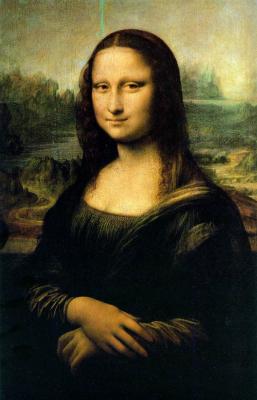
Pero hubo propuestas aún más audaces. Una mujer delgada, muy atractiva, cabello negro largo, piel furiosamente blanca, con ojos melancólicos, propuso “hacer una fiesta de sexo, droga y rock and roll.” Luego de la carcajada generalizada, alguien le preguntó si la propuesta era en broma o en serio. “Las dos cosas,” respondió, forzando una sonrisa tipo Mona Lisa.

Un hombre gordo, de sonrisa fácil, lanzó una solución un poco más amena: preparar primero una comida con carne de primera, rozada de vino tinto, luego tomar copas hasta lograr un estado de felicidad ideal y recién después "amarnos entre todos."

Cada uno con su historia. Abandono. Rechazo. Caminos divergentes. Parejas que viven en la misma casa, pero como zombis, sin tocarse, sin besarse, cada parte deseando en secreto lo que en la práctica rechazaba...y palabras, palabras, palabras...y silencio...

¡Pobres los seres humanos! Buscan el amor con desesperación, luego actuan como si ese estado tan buscado no existiera y luego reclaman cuando el rechazo rebota en sus rostros. Apuntan con amunición gruesa al corazón y al alma, tiran, y se asombran cuando él o ella responde con balas aún más venenosas.

Cambalache, siglo 20...¿siempre ha sido así? ¿Siempre será así?

¿Es la vida misma la que nos hace jugar este sugestivo juego de "te amo" y "te odio?" Participamos en este dulce juego hasta el día cuando la negra y temida muerte reclama carne y hueso para reciclar la vida? Quizás.

Historias ocultas

Pululan en el aire

historias ocultas

que respiran

con cada soplo de viento.

 ¡Respiramos, entonces!

Scientific Love or the way people are...

Scientific Love or the way people are...

He assumed her love.

She presumed his love.

His assumption was fallacious

Her presumption was outrageous.

He sought a new love.

She awaited a new love.

He assumed again.

She presumed again. 

His assumption was fallacious.

Her presumption was outrageous.

He returned to his past love,

She re-encountered her past love.

His past love was also fallacious.

Her re-encountered love outrageous.

He became a poet of himself.

She turned into a poet of herself. 

The two selves became poet-lovers.

The hers and the hims, lover-poets.

The theory was assumed,

The practice resumed.

 ‘How I love my assumption’, he exclaimed.

‘How I love my presumption,’ she proclaimed

The theory was assumed,

Practice resumed. 

Again he assumed her love.

Again she presumed his love.

His assumption was fallacious.

Her presumption was outrageous.

 He abandoned all his theories.

She gave up all her queries.

‘After all love is a science,’ he brooded.

‘And science is love,’ she concluded.

Has romantic love died?

Has romantic love died?

It has become something of a fashion to say that "romantic love" is a thing of the past. Is it, really? And then: why do we use the adjective "romantic?" Does that suggest that there is nothing especially 'romantic' about love? Why must we use the adjective? Isn't love itself 'romantic'?   

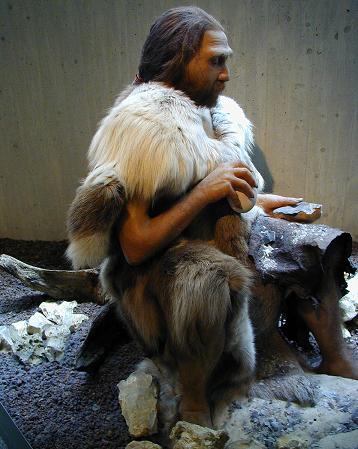
Did cavemen fall in love? Was it 'romantic'? Well, it seems logical to assume that the woman's role in the love relationship was a bit more practical: having babies, raising them, keeping the cave as clean as possible...We might ask: was it love or necessity that kept the man and the woman together?  

Let's skip over, say, a million years--to William Shakespeare's time. Women were still under the male thumb, far from "liberated." And yet...how moving are the bard's love flights. Take sonnet number 145, for example, allegedly referred to Anne Hathaway:

"Those lips that Love's own hand did make

Breathed forth the sound that said 'I hate'

To me that languish'd for her sake;

But when she saw my woeful state Straight in her heart did mercy come,

Chiding that tongue that ever sweet

Was used in giving gentle doom,

And taught it thus anew to greet: 'I hate' she alter'd with an end,

That follow'd it as gentle day Doth follow night, who like a fiend

From heaven to hell is flown away;

'I hate' from hate away she threw,

And saved my life, saying 'not you.' "


El mar agita el alma...

El mar agita el alma...
Una cabeza mira, absorta, hacia adentro,  
 
hacia donde el mar agita el alma,
 
hacia la olvidada memoria pagana:  
 
contempla estupefacta la imagen propia;  
 
por tanto mirar se olvida de pensar.  

Numbers, numbers and then what?

Number 13 was peering restlessly out of his 13th story window at number 33, who was in her living room ironing her wedding dress. Thirteen squinted and looked away for a minute. He desperately wanted to know everything about number 33. He felt he was falling in love with her and needed to rapidly and efficiently gather information about her.

But there wasn’t a minute to spare. He wasn`t going to let 33 marry. Nevertheless, he knew that before acting he had to gather more information. He knew he would never know everything about her, even supposing he were to be lucky enough to say the wedding vows, yet intelligent action requires precise information.

Thirteen was well aware of his limitations. For example, his powerful looking glass couldn’t penetrate the woman’s solid cement walls. He knew that. He would never be able to see her lying on her bed. Never would he see her in the shower, never languidly drying herself, never undressed.

For the time being he could only see her in the living room, ironing or eating or watching TV or staring out the window at the patio below. Sometimes he could spot her in the kitchen, if the light was right. What annoyed him terribly was that he had no idea who the lucky man was who had gotten her to say “yes.” How had the SOB pulled that off? What trick of luck had favoured the other guy over he himself? If she were to have met him first, would she have accepted Thirteen’s proposal? Why hadn’t he gotten up enough courage to introduce himself? Sometimes luck is just a question of timing, he thought, of knowing when and how to act.

Number 33 had no reason to suspect that the man on the 13th floor was gawking at her as she ironed her dress. She was not of a paranoiac bent; actually, her nature was rather on the shy side. That’s why she thought it was so exceptional that an outgoing man like number 113 should show such love and affection for her. Were his intentions serious? Why had he chosen her and not someone else? Was it a mere question of chance? What brings couples together? What mysterious force drives them apart?

Thirty-three was happy, but deep inside her there was apprehension, a fear she was unable to rationalize. Was she taking the right decision? There was no way to know so she kept ironing her wedding dress. People get married every day, don’t they? They go on honey moons, relatives give them wedding presents, they go to nice places to make love. It must be comforting to sleep alongside your spouse every night. Or were there secrets of marital life she could never imagine? Anyway, she would soon find the answers to all of her questions. Ironing relaxed her. On arriving home from work every evening she would iron the dress again and think about the upcoming wedding.

One Saturday afternoon something quite unusual happened. Thirty-three’s fiancé had called to say he had an important meeting and so would not be visiting her as usual. So she decided to browse at the neighbourhood bookstore. She had never met number 13, and had no idea that a man living in an apartment two floors above hers had been spying on her with his powerful looking glass, admiring her and inventing a relationship that only existed in his imagination and in the lens of his looking glass. That afternoon she was bent on finding a book that would take her out of her contemplative state of mind. She leafed through novels and short story collections and autobiographies but seemed unable to find anything that interested her…until she came upon a used and spoiled volume with an oriental design on the cover. The title called her attention: “To Be is to Be Nothing.” As she was turning the pages, she heard a man’s voice and turned.

“Strange title for a book.” Number 13, was amazed at the directness of his approach.

“It’s the idea that’s strange, not the book,” said 33 without looking up from her reading.

“Quite true…but how can we be nothing?”

Number 33 looked up and stared at 13 as if she had just discovered a new book. Neither man nor woman spoke for what seemed to be ages.

“To find that out you have to read the book,” said 33 finally. “Please excuse me, I must go.”

Thirteen went straight to the cashier and paid for the book. Thirty- three looked on the transaction as if confounded. He had met her! Her voice seemed soft but firm and the air still lingered with the scent of her lavender perfume. Hmm. To be is to be nothing. What an idiotic thing to write about! Either we are or we are not. Why complicate things? And yet…maybe there was something to the idea. It could be a good subject for conversation. Thirty three was going to buy the book. She was paying for it right now, at the cashier’s. She left the shop without looking back. Thirteen thought for a moment, then ran out of the bookstore, taking the eyes of several customers and the cashier with him, and bounded up the stairs to his 13th floor apartment. The elevator had gotten stuck on the 11th floor and there was no time to loose.

When he focused the looking glass on Thirty-three’s apartment, she was already curled up in the sofa chair, reading. One of her legs was dangling over the arm of the chair and he could clearly make out the pale auburn colour of the leg and its slender firmness. He needed an excuse. Once he had worked as a door-to-door salesman and he knew that the first words and the first impression were essential to get the potential client to listen. The recollection was usefull.


La Runfla:

      Dos mentes inquietas: Galileo y Bertold Brecht. Un espacio, actores y un público: los ingredientes necesarios para provocar un replanteo de las perspectivas oxidadas por la rutina, el trabajo...sucederá este sábado, 10 de noviembre a las 21 horas en Parque Avellaneda, cuando La Runfla presenta el pre-estreno de "Galileo-Galileo" de Bertold Brecht, dirigido por Héctor Alvarellos.


Actores: Gabriela Alonso -Victoria Egea -- Daniel Conte - Gastón Rodríguez - Javier Giménez Escenografía y vestuario: Stella Rocha Realización de elementos y aparatos: Osvaldo Rocha Música original: Sergio Sainz Iluminación: Andrés Rocha Operación de sonido: Franco Alvarez Grabaciones en off: Hugo Arias Diseño Gráfico: Jorge Martínez Asistentes de escena y dirección: Paola Mazzotta y Fernanda Sancineto.

Por otra parte se ha informado que el 4to. Encuentro Nacional de Teatro Callejero de Grupos se realizará en el obelisco en el centro de Buenos Aires ( Av. 9 de julio y av. Corrientes).

Personajes en zancios, grandes muñecos y grupos de percusión realizarán una intervencion en las sendas peatonales para culminar con escenas de los 17 grupos participantes.

Otra novedad de este año es que el Encuentro estará dedicado a Colombia, quién participará con un espectáculo y un ciclo de proyecciones sobre la actualidad del teatro callejero Colombiano.
Por otra parte el Grupo de Teatro Callejero La Runfla estrenará el espectaculo : Galileo Galilei de Bertolt Brecht con traducción de Osvaldo Bayer y dirección de Héctor Alvarellos.

El objetivo del 4to. Encuentro Nacional de Teatro callejero de Grupos es jerarquizar este tipo de manifestación artística, realizando un  aporte a la oferta cultural de la ciudad, incorporando y difundiendo la producción nacional.


El Encuentro, coordinado por el Grupo de Teatro Callejero La Runfla y organizado por la Mesa de Trabajo y Consenso de parque Avellaneda ( Vecinos y Dirección Gral. de promoción Cultural- Ministerio de Cultura de la Ciudad Autónoma de Buenos Aires), pretende realizar un intercambio entre los distintos grupos participantes como así también revalorizar el uso del espacio público desde una propuesta cultural con posibilidad de libre acceso para los ciudadanos espectadores.


En esta cuarta edición participan  17 grupos representando a Pcia. de Santa fe, Mendoza, Pcia. de Buenos Aires, Ciudad Autónoma de Buenos aires y este año como país invitado se hará presente Colombia, quien además de un espectáculo brindará a través de conferencias y proyecciones de video  un panorama de su teatro callejero.

ORIGEN DEL ENCUENTRO

Durante  el año 2001  el Grupo de Teatro Callejero La Runfla con motivo de cumplir 10 años de existencia realiza el 1º ENCUENTRO NACIONAL DE TEATRO CALLEJERO DE GRUPOS donde participaron 10 grupos de todo el país y tuvo como
invitado especial a Teatro Núcleo de Italia.

Las siguientes ediciones contaron con participantes de Suecia y España. Tanta fue la repercusión de publico y la necesidad de contar con un espacio único en el país dedicado al Teatro Callejero , que tomo este formato bienal transformándose en un espacio para el público, teatristas, e investigadores de este genero que intenta revalorizar el espacio público.

Esta cuarta edición como siempre ofrece espectáculos para todo público al aire libre y en forma gratuita, espacios de proyecciones, conferencias, y se elaborará el documento fundacional para la conformación  la Red de Teatro Callejero.


Cronograma


Miércoles 14


19:00 hs. Inauguración del encuentro con un desfile de zancos y  escenas de los espectáculos.  Punto de reunión: el obelisco, av. 9 de Julio y calle corrientes.


Jueves 15

 16:00  - Proyección: Teatro callejero COLOMBIANO (Sala de proyecciones Casona de los Olivera)18:30  - Ensayo Abierto: “Real envido” de Griselda Gambaro  por los alumnos del 2do año del Curso de Formación del Actor para la Actuación en espacios abiertos dependiente de la EMAD (Escuela Metropolitana de Arte Dramático) 20:00  -Espectáculo: “MPT 3.3: Eternamente reseteados”. Grupo MPT (Pcia. de Buenos Aires)21:00  - Espectáculo: Galileo Galilei de Bertolt Brecht . Grupo de Teatro Callejero La Runfla (Ciudad de Buenos Aires)


Viernes 16

 14:00  - Proyección  Teatro callejero COLOMBIANO (Sala de proyecciones Casona de los Olivera).15:00  - Proyección  La Runfla 15 años en la calle 1991-2006”   (Sala de proyecciones Casona de los Olivera)18:00  - Espectáculo: “La vereda de la musiquita”. Grupo Los Calesita (Ciudad de Buenos Aires)19:00   - Espectáculo: “Caminantes”. Grupo Tercer Cordón Teatro (Moreno Pcia. de Buenos Aires)20:30   - Espectáculo: “¿Donde está Milena?” (una historia que no cierra) Grupo La Tramoya ( Santa fé)21:30   - Espectáculo: “ Cucos “  Grupo Teatro popular Patapúm (Mendoza) 

Sábado 17

 9:00 a 13:00 - RED DE TEATRO CALLEJERO. Jornada de trabajo para su conformación.14:00   - Proyección: Teatro callejero COLOMBIANO (Sala de proyecciones Casona de los Olivera)15:00  - PRESENTACION LIBRO: TEATRO CALLEJERO EN LA ARGENTINA (de   1982 al 2006) De lo visto, Vivido y Realizado. Autor  Héctor Alvarellos.16:30 - Espectáculo: Frankenstein, el experimento. Grupo Infantil Tierra Verde   (Ciudad de Buenos Aires)17:30 - Espectáculo: “Cachuso Rantifuso” Grupo de Teatro Comunitario  El Épico de Floresta (Ciudad de Buenos Aires)18:30 - Espectáculo: “Plumas de cielo”. Grupo Devenir. (La Plata.  Pcia. de Buenos Aires)19:30  - Espectáculo: “La tempestad”. Grupo Oxo Teatro (Ciudad de Buenos Aires)21:00  - Espectáculo: “Galileo Galilei” de Bertolt Brecht. Grupo de Teatro callejero La Runfla (Ciudad de Buenos Aires)23:30  - Fiesta criolla con la Orquesta criolla Pura Muña


Domingo 18


11:00 - Conferencia: “Espectáculos callejeros en el espacio público,  sus diferentes problemáticas” coord. por Patricia Devesa

14:00 - 4 años del Curso de formación del actor para la actuación en el espacio abierto de  la Escuela de Arte Dramático de la ciudad.  Proyección de video e inscripción 2008.15:00 - Proyección: Teatro callejero COLOMBIANO (Sala de proyecciones Casona de los Olivera)16:30 - Espectáculo: “La manta de los sueños”. Grupo La rodante (Ciudad de Buenos Aires)17:30 - Espectáculo: Fuentevacuna- Grupo de Teatro Comunitario  Res o no res (Ciudad de Buenos Aires)18: 30 - Espectáculo: “Juana, lágrimas de Tierra” de Gabriela Alonso. Grupo Teatro de la Intemperie (Ciudad de Buenos Aires) 20:00 - Espectáculo: “El enano”. Grupo Teatro Tierra ( Colombia)

 21:00 - Espectáculo: “¿Dónde está  Milena? (una historia que no cierra)” Grupo La Tramoya (Santa Fe)

Contactos:

 Parque Avellaneda Av. Directorio y Lacara e-mail: grupolarunfla@ciudad.com.ar   /   publiem-arq@speedy.com.ar Tel: 4613-7312 / 4672-5708 / 1559335166 


An attempted break-out, a riot, uprising...or a massacre?

     A prisoner with no power, no influence and no social status is a sort of non-person in the eyes of most of the mass media and a considerable part of public opinion.

    More often than not in a case of violence within a prison, the finger is pointed at the detainee and his or her violent action is considered a threat to society.

    Yet very little attention is placed on the conditions in the prisons, overcrowding, physical abuse and mistreatment of detainee's relatives, the turtle pace of judicial processes.

     Last Sunday 33 prisoners were killed at the "Cárcel de Varones" in Santiago del Estero province, in what the press almost universally described as an attempted break-out or riot. But 33 victims is a very high number of fatalities and would suggest the use of another term: massacre.

    What happened at the provincial jail certainly demands an immediate investigation by the mass media, but also by judicial and legislative authorities not only in that impoverished province, but around the entire country.

    In an interview with Página 12, Gladys Sosa, an aunt of one of the prisoners killed, declared: "There was no uprising, nothing prepared, no attempted prison break. They (the detainees) had to react because the infamous gang (the prison guards) were beating them. And that is not to mention the treatment that we relatives received when they checked us before visiting hours. They made us lie down on a bed and open our legs to see if we carried drugs inside. There were drugs in the prison, but drugs which they (the guards) were selling to the prisoners. Where are our human rights, tell me, where?"

     Most of the detainees involved were being held without sentence and awaiting trial. Should not those who express justified concern about the unending wave of criminal violence in the country not take time to consider the situations in the country's jails? Should not judicial and legislative authorities pay more attention to the deplorable conditions in overcrowded jails populated with prisoners awaiting sentence, the humiliating treatment given relatives of prisoners...

Entre la lechuga, el tomate y el voto útil o inútil...

Entre la lechuga, el tomate y el voto útil o inútil...      

Tiene la fruta y la verdura apilada sobre cajas, a veces, también sobre una vieja mesada de mármol, en todo caso en un desorden estratégico. Es su visión de marketing y le ha permitido sobrevivir la caída estrepitosa de la señora Isabel Perón, la dictadura militar, la super inflación de Alfonsín, las relaciones carnales del ex-presidente Carlos Menem y las asombrosas cifras del INDEC del presidente Néstor Kirschner. Ahora atiende a una señora con beba en armas. Un leve y casi inadvertido movimiento de los músculos agita su cara arrugada por los años. Gira su cuerpo hacia una señora cuarentona que lleva una beba en sus brazos, y pone su característica sonrisa—mueca mientras se inclina sobre los tomates y proclama:

--¡Sí señora, voté!

--¿No para ella, imagino.

--¿Para Carrió?  No.

--¡Para Cristina!

--No, señora, para Pino Solanas.

--Hmm.

--Busqué algún nombre en la lista que podría no defraudarme y voté. Eso es todo.

--Eso no sé quién es pero para mí una mujer no puede ser presidente de este país.

--¿Por qué?

--Y…la mujer es para otra cosa.

La sonrisa-mueca del vendedor temblaba apenas y se agrandó lo suficiente como para exponer la falta de dientes superiores…

--¿Qué otra cosa?

--Para la casa, para el cuidado de los chicos, pero la política es para los hombres…

--Puede ser pero los hombres que hemos tenido últimamente no son exactamente ejemplares de cordura.

--Ya sé, pero, es lo que yo pienso…¿A cuánto tiene la papa?

--Ocho pesos…pero lo que hace la gente es comprar poco, así va bajar…

--¡Ocho pesos! ¡Qué barbaridad!

--A lo mejor algunos prefieren algún hombre…

--¿Qué tienen que ver?

--Y…la señora es Peronista, sabe…

--Es una mina maldita.

--Por eso voté a Pino Solanas: está contra las malditas minas en manos privadas.

--¿Minas en manos privadas?

--¿No sabe usted? Vienen gente con guita, compran todo, las minas de oro en el sur por ejemplo, contaminan, y no queda nada para nosotros.

--Puede ser. No entiendo nada de la política. Llevo medio kilo de papa y listo.

Love me or shove me...

As time and patience fly  
 
Love buds await to die.  
 
Are we not all lost ghosts?  
 
Ghosts of our shattered selves,  
 
Ghosts of invented selves,  
 
Ghosts of loves we invent  
 
Dying in the intent.  

Ain't got nothin'...

      Ain't got no husband, says the lady.

      Ain't got no lover, says the lady.

      "Ain't got notin' says the lady.

        Ain't got no future, says the lady

         Ain't got no past, says the lady

          Ain't got notin' says the lady.

           Ya got me, says the gentleman,

            Ya got my heart, says the gentleman,

              Ya got my lips, says the gentleman,

               Ya got my love, says the gentleman.

                Ya got me on a rainy day, says the gentleman.

                   That's what I mean, says the lady: I ain't got nothin'

                      Can't have nothin', says the gentleman.

                         Why can't I asks the lady.

                             'cause if ya ain't got nothin' ya've got somethin' says the gentleman.

                               What've I got if I ain't got nothin, asks the lady.

                                   Ya got everthin' ya said ya ain't got, said the gentleman.


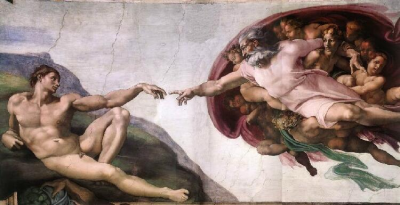
Michelangelo's Creation of Adam and Eve, or in other words, what's in a word?

Michelangelo's Creation of Adam and Eve, or in other words, what's in a word?

      The man who looked more or less like most other men softly cleared his throat before walking up to the woman who looked more or less like most other women.

       "Hello! How are you?" he asked.

      "Who? Me? Oh. There you are. How are you?

      "Wait a minute! I asked you how I was?"

      "No! You asked me how I was?"

     "You did? Hmmm. How are you?"

     "What?"

    "I said: how are you? That's what I said.

     "You really said that?"

     "Yea. Would you please stop this silly game?"

      "Oh, well, yes, if that's the way you feel about it."

     "Feel? Oh."

     "Oh."

      "Well, then...How are you?"

      "Me?"

      "Yea. Who do you think I'm talking to? The man on the moon?"

      "It's just that I don't know how I am."

      "Ha! Ha! Ha! You don't know how you are?"

      "No. I don't. Do you?"

      "Maybe. Anyway, why do you want to know how I am?"

      "What?"

      "What?"

      "What do you want?"

     "Want?"

     "Yes, want...W A N T. Want."

     "Ha! That's a good one! You want to know what I want!"

     "Yes, that's true. I really want to know."

     "No you don't!"

     "Yes I do!"

      "Why?"

     "Because."

    "Because...Why do you ask so many questions?"

     "Because..."

    "Because I want to know what you want to know."

     "And I want to know who I am."

     "Ha! Ha! That's a good one! You don't know who you are?

     "No. I don't know who I am and I don't know what I want."

    "O.k. Let's start again."

     "Great. Let's start again."

     "Do you think that would help?"

     "I don't know."

      "I don't either."

      "So...let's start again. Hi! How are you?"

      "Hi! How are you?"

     "No! I asked you how you were!"

     "Well, I don't know who I am and I don't know what I am and I don't know where I'm headed. I'm lost."

     "Do you know why you're lost?"

     "No. Listen. I don't know how I am. I don't know who I am. I don't know what I am. I don't know what I want. I don't know where I'm headed. And I don't know when to do what I don't know how to do."

     "Hmmm. How are you?"

     "Fine, thank you. And you?"

     "Do you know what?"

     "What?"

     "Do you think...No, I really don't think so..."

     "What?"

    "It isn't important."

    "Of course it's important."

    "Well...Do you think we are in love?"

     "I don't know."

     "You don't know?"

     "No. Do you?"

     "No, I don't. But I think you know. Are we in love?"

     "I don't know."

     "I don't either."

     "Well...How are you?"

     "Fine...I think."

     "I'm fine too...I think."

     And then, when they finished talking, they went home in silence and made love in silence and each silently dreampt of other worlds, with other men and other women who were like most other men and most other women.


     "

     "


Two Mellow Fellows in a sea too deep to see

Two Mellow Fellows in a sea too deep to see

       A sea of female bodies, appropriately dressed, perfumed, powdered and brushed, filled the auditorium to the joy or consternation of a hungry looking youth and a jaunt jawed man with a retired look stamped on his face. Wave after wave of an invisible but potent charge electrified the atmosphere and magically transformed a talk on love relations into a  good old-fashioned bout on sex. 

    The young man began to obsessively pick his teeth when the speaker at the association of psychologists  asserted that a healthy percent of retired aged women solve the problem by themselves, without the help of male partners--who anyway are scarse and not very effective when they do show up. The jaunt jawed male, who very well could have been used as a sample, leaned forward a bit and rolled his eyes this way and that.

    The ladies looked bored, quite unaware of the presence of the youth and the old man. Or perhaps it was just that the subject was but a piece of an academic discourse. Yet some of them did laugh with a twitching and gurgling sound when the boyish looking male speaker expounded on his theory that both love and sex were somehow different after 60.

    "It's more free, the uncles and aunts and grand mothers and grandfathers are less inhibited and less prone to condition themselves to social habits and ethical considerations," asserted the speaker.

    At that point everyone in the room--the 50 or so ladies and the two men--began constructing unpublishable exploits of adventure, pleasure and tales that inevitably ended in a climax. Too bad real life somehow is less generous with the pleasure principle, or perhaps it's just that reality doesn't know how or when to recognize the climax in the day-to-day love stories.