Blogia

Buenos Aires Jaque Press, en inglés y español

Will you or Will you Not?

Will you? said he.  
Will I what? she said.  
Will you do it? said he.  
Do what? said she.  
Do it like this, said he.  
No, not like that, said she.  
Well...like this, said he.  
Not like this and not like that, said she.  
Then you won't do it, said he.  
Not unless you will, said she.  
I will if you will, said he.  
Will you? said she.  
Well, I quess I will, said he.  
Well, if you will,let's do it, said she.  
Do what? said he.  
Let's do what you want and I don't, said she.  
I don't like to do what you don't like to, said he.  
And I don't like to do what you do like to do, said she.  
You don't? said he.  
Actually, I do and I don't, said she.  
Then let's put the does and the don't together, said he.  
If that means you don`t mind doing what you don't want to, said she.  
It means we will do it if we want, said he.  
What if we don't want to? she asked.  
I don't know but maybe you know, said he.  
Where there's a will there's a way, she said.  
Have it your way if you will, he said.

¡Hola mundo bravo y nuevo!


    Hace algunas décadas Francia luchaba en Algeria, con métodos que pasaban por alto muchos de los conceptos básicos de la cultura nacida en la revolución francesa, y el escritor Jean Paul Satre respondió: "Nuestras víctimas nos conocen por sus heridas y por sus cadenas: eso hace irrefutable su testimonio. Basta que nos muestren lo que hemos hecho de ellas para que conozcamos lo que hemos hecho de nosotros mismos."
       Pasan años, otra guerras, otras invasiones de Occidente a países en la perifería del poder mundial, Vietnam, Santo Domingo, Panamá, los golpes de estado en América Latina, Irak...los inmigrantes buscan asilo o medios de sobrevivir en Europa y los Estados Unidos...estalla la llamada guerra contra el terrorismo...y en Francia gana Nicolás Sarkozy, inmigrante blanco, y establece un ministerio de la inmigración y la identidad nacional. Anuncia la intención de expulsar a los aproximadamente 25.000 inmigrantes sin permiso de residencia en Francia.
      Gracias a internet cualquier persona puede, por ejemplo, leer el "Informe sobre la situación y las tendencias del terrorismo en la UE 2007", en http://www.europol.eu.int que dice que la mayor parte de los ataques terroristas en Europa fueron perpetrados por grupos nacionales independentistas, anarquistas o de extrema derecha o extrema izquierda....pero...."La violencia de extrema derecha se investiga principalmente como extremismo de extrema derecha y no como terrorismo de extrema derecha."
      ¿Qué quiere decir eso? Sucede que de los 706 arrestados, 257 son ciudadanos de países islámicos pero de los 498 atentados, hubo uno sólo por islamitas. ¿Será que todavía existe discriminación según el color de la piel o la religión?
      El poder manda, se sabe. Pero incluso en Europa se cuestiona algunas prácticas realizadas por los E.E.U.U. en su guerra contra el terrorismo. Por ejemplo, el gobierno de Alemania ha pedido a Interpol la detención de 13 norteamericanos sospechosos de participar a finales del 2005 en el secuestro, el traslado a Afganistán, la tortura y la violación del ciudadano alemán Khalid el Masri. El tribunal estadounidense correspondiente ha rechazado semejante pretensión. El Parlamento Europeo también ha acusado a Gran Bretaña, Italia, Polonia y otros países de complicidad con la CIA a raíz del traslado de (en alrededor de 1.254 vuelos secretos) a prisones clandestinas de terceros países.
      Es que cuestionar las acciones de la CIA no es para cualquiera. Por algo Washington ha intentado negociar tratados de inmunidad para sus tropas cuando actúan en la perifería. Los países que han aceptado tratados de este tipo son mayormente pobres o naciones que calculan que aceptar la inmunidad supondría beneficios económicos y políticos...

Cecilia Moraga, A Voice in English from Salta...

Cecilia Moraga, A Voice in English from Salta...

All letters, methinks, should be as free and easy as one’s discourse, not studied as an oration, nor made up of hard words like a charm.”

                                            (Letter to Sir William Temple, Oct. 1653) 

            There is silent strength in her eyes and her English flows naturally but in soft guarded tones. We are in Salta, Argentina, talking to Cecilia Moraga, directress of an active, creative and future minded institute dedicated not only to language instruction but to providing that special touch that separates simple education from a first class ticket leading to the threshold of knowledge.


            “So how did you get into English? I mean English sounds a bit out of place in this enticingly colonial city filled with vestiges of the past, stretching to the Spanish conquest.


            “I don’t know but perhaps it was just that teaching English chose me! You see it has always been with me. In fact, I grew up surrounded by it: my mother had an English institute.”


            “Like mother, like daughter!”


            “You might say that. You see, I spent a lot of time in her institute and when I finished High School…”


            “In Salta?”


            “Yes, right here, I was born here. Despite the fact that I tried other things, despite my studies in other areas or, for example, getting involved in activities such as architecture, I finally ended up saying to myself: ‘what I really want to do is to teach English."

            “That sounds like a challenge in a place like this!”


            “Well, not as much as you might think. It isn’t much different from what you might find anywhere in the country. More and more people are training to be teachers because of increased interest in the language. And we have excellent teachers with a clear desire to improve and advance their knowledge of the language. They are continuously seeking new teaching skills.”


            “Do you maintain fluent contacts with foreign language institutes abroad?”


            “Well, that didn’t used to be the case but over the past decade there have been growing numbers of contacts. I suppose that is tied up somehow with the very significant growth of tourism in this region.”


            “What is special about your institute?”


            “It was founded by my mother around many years ago when there were only three institutes in Salta, la Cultural Inglesa, Icana and our institute, I.E.I., which was founded by persons trained at recognized language training centres in different parts of the country. Since then we have been growing very rapidly. You ask what most distinguishes our institute. What sets us apart is our strong promotion of creativity and flexibility, rather than attempting to follow fixed programs. We are open to change and do as much as we can to avoid falling into an academic rut.


            One example: in May the institute sponsored a training event for teachers in which drama and storytelling were introduced as efficient and entertaining training tools.


            “Are the difficulties faced by English learners the same here as in the rest of the country?”


            “I don’t suppose there are that many differences, although the need is more apparent in Buenos Aires due to the more immediate contact with English speaking persons, tourists or also in business activities.”

             If you would like to contact Cecilia Moraga, you may do so at the following address: e-mail: cmoraga@arnet.com.ar

La pintora Argentina Cristina Santander expone en Nueva York

La pintora Argentina Cristina Santander expone en Nueva York

Frases felices y no tanto

º  "Mi pueblo es gente humilde, que ha sobrevidido a masacres, usurpaciones e invasiones y que en 13 mil años de existencia conservamos en el siglo XXI valores que nos hacen humanos...Las mujeres wichí venimos del cielo, somos celestiales. En nuestra religión, el hombre es terrenal; alguna vez fue animal y para convertirse en humano tuvo que unirse con las mujeres. Ese es el valor que tiene la mujer dentro de la concepción wichí. "

               Octorina Zamora, autoridad de una comunidad Wichí, Argentina )Página 12,2-7-07


º "Mi trabajo es tomar decisiones. Yo soy la decisión. Si me trabajo tuviese una definición es la de tomar decisiones. Y tomo muchas decisiones grandes y muchas decisiones pequeñas."

                             --Presidente George Bush--

º "Elegí cumplir mi misión desde Italia, porque allí se estaba produciendo un ensayo de un nuevo socialismo de carácter nacional. Hasta entonces, el socialismo había sido marxista: internacional, dogmático. En Italia, en cambio, el socialismo era sui generis, italiano: el fascismo."

                                     --General Juan Perón-- 

º "En realidad hay que salir un poco de si para no ser demasiado infeliz.  
(I. de Charriere)  
 
º "Las palabras de un hombre muerto se modifican en las entrañas de los vivos."  
W.H. Auden.  
 
º "¿Por qué necesariamente debo permanecer en un estado maltrecho, destruído, de sobreviviente lamentoso? ¿Acaso esto, este estado, es lo que él (el objeto) me ha dejado? ¿Por qué no podría estar, por ejemplo, contento de que haya vivido, de lo que me ha dado, y festejarlo, en consecuencia, al modo del homenaje?"  
(Jacques Lacan)  
 
º "Una gracia en las maneras, la chispa de nuestros ojos, el tono de voz, una viveza y una vibración generales expresan quienes somos mejor que las palabras."  
(Alexander Lowen)  
 
º "La respiración es vida y si respiras bien tendrás larga vida sobre la tierra."  
(proverbio sánscrito)  
 
º "Siento un poco de vértigo. No estoy acostrumbrado a la eternidad."  
(J. L. Borges)  
 
º "Pero hay que reconocer que tenemos problemas graves, profundos: una extraña enfermedad está erosionando nuestra ética y nuestros almas...sabemos que estamos entrando en una época de vorágine, pero aún no sabemos cómo será ni qué ocurrirá."  
(Martín Scorsese)  
 
º "El trabajo del escritor tiene mucho de embaucador, claro que sin una connotación moral."  
(Antonio Benedetto)  
 
º "Las posibilidades para decir algo en una sola frase son tantas...no me animaría a decir que son infínitas, pero son muchas."  
(Alicia Steimberg)  
 
º "Es cierto que hay una idea cuando me pongo a escribir, pero también tengo lacostumbre de dejar que la mano escriba sin pensar demasiado."  
(Alicia Steimberg)  
 
º "Para mí la música fue un hobby hasta que cumplí 15 años y me di cuenta de que ya viviía de la música pero que precisaba formarme como profesional."  
(Dave Holland)  
 
º "Creo que la improvisación ata un poco a la necesidad de una exposición y de una re-exposición...antes disfrutaba haciendo una música formalmente más abierta o incluso sin forma...trato de recrear ideas tradicionales, de hacer mi propia versión con la esperanza de que en ese proceso aparezca algo nuevo."  
(Dave Holland)  
 
º "Los idiomas tienen una franja que va de lo lunfardo a lo académico, y no hay nada en el medio para hacernos sentir más cómodos. La sociedad reprime el lenguaje en las zonas de actividades fundamentales de la vida, como la sexualidad."  
(Ivónne Bordelois)  
 
º "Los hombres están solos en la tierra, ésta es su tragedia."  
( Dostoyevski)  
 
º "Cuando trabajamos sobre los impulsos, todo queda enraizado en el cuerpo."  
(Jerzy Grotowski)  
 
º "Los impulsos preceden a las acciones físicas, siempre...es como la acción física, todavia invisible desde el exterior...si sabes eso, al preparar un papel, puedes trabajar a solas sobre las acciones físicas..."  
(J. Grotowski)  
 
º "Antes de una pequeña acción física, hay el impulso. Allí reside el secreto de algo muy difícil de aprender, porque el impulso es una reacción que empieza detrás de la piel y que es visible sólo cuando se ha convertido ya en una pequeña acción. El impulso es algo tan complejo que no se puede decir que sea sólo del dominio de lo corporal."  
(J. Grotowski)  

No More Limbo...What about Purgatory?

No More Limbo...What about Purgatory?

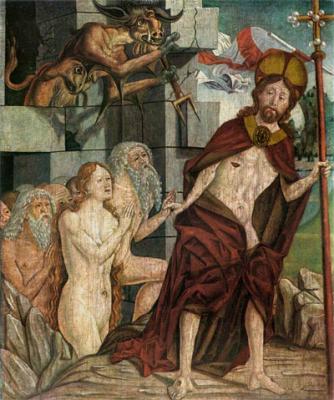
      "I'm in the limbo," the bald headed professor confessed, tilting his head vaguely towards some unknown point at the end of the universe, pretty close to one of those black holes, the ones whose existence or not has stirred up a ruckus in the world's most erudite circles.

       "Don't sweat it," I said, "because the limbo no longer exists."

       "You mean there's no longer a stopping off place for poor lost souls?"

        "Nope! That's what somebody said in the newspaper, some big wig in the Church, said that actually there never was a limbo, that it was just a popular invention."

        "You don't say! And all these years, all these centuries, thinking you could take a deep breath in the limbo and play with the souls of babies before having to come to terms with your fate. Well, well...What a novelty! It certainly takes some of the heat off..."

       "Sorry, there is no evidence there was ever much heat in the limbo. I fear you are getting it mixed up with Hell."

       "True. I mean somebody might get angry and send you to Hell to burn to death but I've never heard of anyone getting uptight and sending you to the limbo. Nevertheless, something bothers me: What if  Hell was (is) also a popular invention?"

      "How dare you say that! That's blasphemy!"

      "So...you don't think they'll do away with Hell?"

     "Quite impossible, I'd say."

     "Why?"

     "That's where we are."

      "Oh."

Bending Towards the Future with a Grain of Salt in the Eye...

     I twist and turn eagerly, unconcernedly towards nothingness,

               bones cracking, mindless, at peace.

     In the mist a dark grey question looms:

              Why?

              Why?

              Why?

    Green worms head for bomb shelters

              Amid drops of acid rain,

             Amid the deadening orgasm of she-wolves.

     How clearly I see, now dead, now entering Nirvana

            Oh yes. My love was but a black hole

            A lonely piece of light extinguishing consciousness,

                 Slowly, deliberately, beyond reach, beyond sound, beyond silence.


¿Con qué autoridad habéis hecho tan detestables guerras...

      Mucho antes de la reciente visita del actual Papa a América, un religioso no muy bien considerado por los conquistadores españoles, Bartolomé de las Casas, escribió estas líneas relacionadas con lo que pasó a ser uno de los genicidios más devastadores de la historia:

      "Estáis en pecado mortal y enél vivís y morís, por la crueldad y tiranía que usáis con estas inocentes gentes...(los indígenas)...¿con qué autoridad habéis hecho tan detestables guerras a estas gentes que estaban en sus tierras mansas y pacíficas?"

      Pues sucede que en los libros de texto y en los diarios y revistas en los países que ocupan el centro del poder real, hay algunos genocidios que merecen menos atención que otras. El genocidio que los judios padicieron durante la Segunda Guerra Mundial es seguramente el más conocida pero una mirada más atenta a la historia indica que ha habido peores, si de cifras se trata.

      El filosófo alemán Hegel escribió (antes de la Segunda Guerra Mundial): "Por lo que a la raza humana se refiere, sólo quedan pocos descendientes de los primeros americanos." Si bien no hubo encuestas, tampoco computadoras durante la conquista de América, una cifra que se considera aproximada sitúa la cifra de las víctimas indígenas en 50 millones.

      Después, uno puede mencionar el genocidio de alrededor de un millon de Armenios por el ejército turco--negado por las autoridades turcas--una cantidad similar de víctimas en Indonesia durante la lucha anti-comunista en ese país, los genocidios y masacres que suceden en Africa mientras el poder mundial presta su atención en otros asuntos... Y por sí acaso, el poco interés de Washington de proveer cifras exactas de las víctimas locales en la guerra contra Irak...

       Es que el poder siempre supone que sus acciones van a traer "cultura" o "progreso" o vaya saber qué otra cosa a los pueblos que sus conquistadores invaden en nombre de la religión, la cultura o supuestas misiones benévolas.

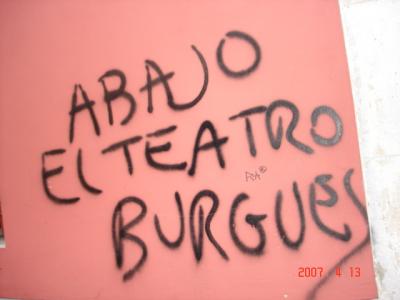
Abajo el teatro burgués

Abajo el teatro burgués

     Acabas de ver "El Deseo bajo los olmos" de Eugene O'Neil en el Centro Cultural Cooperación, de la calle Corrientes, en Buenos Aires, con la dirección del veterano Raúl Serrano, un trío amoroso, Electra, la lucha por la herencia, el sexo como instrumento de poder, la matanza de una pequeña criatura en el contexto de una sórdida lucha por el poder, sin cuartel.

      En realidad, lo que más impresionó fue al final cuando en medio de los aplausos un chico de unos 10 años, hermoso, rubio, feliz, subió al escenario para abrazar a su madre, la actriz Alejandra Rubio, es decir, Abbie, que acababa de matar al niño de su amante, Eben, en el escenario...

      Y, paso a paso, vas transitando la ciudad hasta llegar al barrio San Telmo. En una de sus paredes, en la calle Humberto Primo, alguien ha escrito: "¡Abajo el teatro burgués!" ¿Y si fuera Eugene parado frente a la pintada? ¿No sería una cuestión de estilos, cómo decir las cosas, intenciones? Es cierto. Es una obra "realista." Con algo de la tragedia griega. Algo de King Lear. Poco de Freud. Mucho de un supuesto realismo escénico que no existe. En fin. Hoy, mayo de 2007, todo es fragmentado: el estilo, la política, el arte, el amor quizás, el futuro, la concepción de uno en una sociedad añorado el pasado, confundida entre un futuro nebulosa y un presente incierto....

      Entonces...............¡Viva el teatro carajo! Y listo.

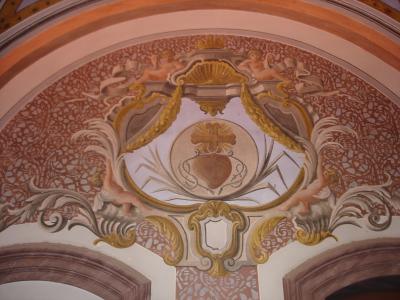
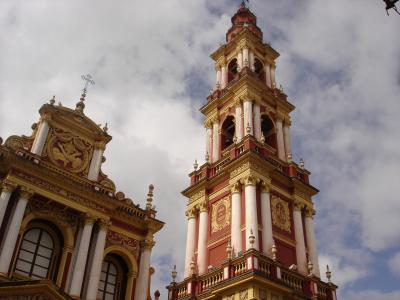
It's not Rome! It's Salta, the Dome of a Francisan Church!

It's not Rome! It's Salta, the Dome of a Francisan Church!

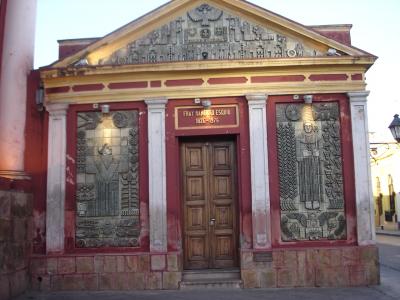
A Franciscan Church in Salta Dating back to 1882

A Franciscan Church in Salta Dating back to 1882

Salta: memories, styles that linger on...

Salta: memories, styles that linger on...

George's Alphabet, or how words can backfire...

One of the things you learn at school is the alphabet and you do so by associating letters with words. Here is a fascinating rewrite of the alphabet, allegedly by none other than George Bush, but actually put together by U.S. journalist Tom Engehardt. Those who lack a highly developed sense of irony--or those who don't read the news, well no doubt experience some sharp comprehension pains.  
 
"A as in Al-Qaeda. Al-Qaedas all around. I know. I know. It's usually alligator or aardvark or ant or armadillo, but kids, really, it's a New World and it's never too early to be armed and ready for it. (By the way, boys and girls, prepare yourself for the first White House single-shooter video game, Armageddon Battles Al-Qaeda! In your neighborhood stores soon!) Amazing Fact: Did you know that, according to my friend Attorney Alberto Gonzales, at least ten terrorists could fit in your room and you wouldn't even know it?"  
 
That is the first entry in "George's Amazing Alphabet Book of the Contemporary World, or Al-Qaedas All Around (completely cross-referenced)," a real hair pulling, tongue-in-cheek imaginary book concocted by Tom Engehardt, a journalist who has been publishing for 25 years, a teaching fellow at the University of California at Berkeley, who has an entertaining and informative online at www.Tomdispatch.com  
 
It should be needless to say that the George referred to is none other than George Bush, the guy who presently occupies the White House in Washington.  
 
"It's unprecedented for any official--high or low," writes Engehardt, "to leak information to TOMdispatch, but some weeks ago a Senior Official in one of our intelligence agencies--and since we have so many, that's a little like saying none-of-your-business--slipped me the text of a book allegedly written by our President and due to be published eary this Fall. (Unfortunately, the illustrations by Paul Wolfowitz, mentioned on the title page, did not accompany the manuscript, and a page and a half of the text was missing.)"  
 
"I've delayed releasing the text at Tomdispatch," says Engehardt, "because I was suspicious of its provenance and authenticity, and because I've so often criticized the use of anonymous sources in mainstream journalism. Yet everything about the text rang true to me and, in the end, it seemed unreasonable to hold back a story of this magnitude."  
 
We enjoyed reading the alphabet and so asked Tom for permission to republish it in this journal. Thanks Tom! Here it goes!  
 
B as in Bases. Bases are for bashing bad guys (see A) A base is a little world built by the good guys of KBR (see H) for the good guys at the Pentagon to house our good guys who hunt their bad guys in the sorts of places--and, believe me, there are a scadzillion of them (other than your bedroom)--where they love to hide and that, until a few years ago, nobody even knew existed, and that nobody can spell like Youzebeckistan, write a letter of complaint to my friend Attorney General Gonzales (and spell any way you like), or report your teacher to the U.S. Air Force's Eagle Eyes program (see E). To get the bad guys before they get us, we build bases everywhere! My friend Paul Wolfowitz, who used to work for the Pentagon, likes to call our bases "lily pads," and we're the frogs who jump from one of them to the other hunting down the flies. You know how irritating flies are. (By the way, our bases have nothing to do with oil. (see O)  
 
C as in Counting. See Rummy count the WMD! (WMD are three well respected letters--see W.M.and D--which put together are massively destructive! They mean Weapons of Mass Destruction, which can destroy massively, which is why we went to war with Saddam Hussein who was hiding in a spiderhole and threatening to spray WMD all over our country! WMD are still in Iraq even though we haven't found them yet because they're probably in one of those spiderholes like the one we found Saddam in, which is what my friend Secretary of Defense Don Rumsfeld says. Actually, here's an AMAZING FACT that will soon appear in a companion volume, RUMMY'S AMAZING COUNTING BOOK OF THE CONTEMPORARY WORLD: Rummy says: "You could put enough biological weapons into the room you're sitting in today to kill tens of thousands of people!" Now, how about that! For those of you who are Math wizards, how many rooms like the one you're sitting in would fit inside Iraq? Hint: it's 171,599 square miles of sand! By the way, I made a great joke about WMD at a media "roast" for all those stupid reporters a while back. I showed a picture of myself looking out the window of the Oval Office (which could have been a really good "O", a lot better than "oil") and I said, "Those weapons of mass destruction have got to be somewhere." And then I showed a picture of myself looking under the furniture and said, "Nope, no weapons over there." That cracked them up. Ha Ha HA Ha Ha Ha Ha Ha Ha HaHee Hooo Haaa.  
 
D as in Detention. Ahmed, the terrorist, was detained in Guatanamo (See G).  
 
E as in Empire. (E could have been Energy, but honestly, energy's not that important to the people I know, especially not to my friend Vice President Cheney and his Energy Task Force). My uncle empired at the Little League baseball game. AMAZING DOUBLE BONUS LETTER: e AS IN eAGLE eYES. i EAGLE-EYED Ahmed, the beady-eyed terrorist (see A). Kids, the Air Force has set up a special Eagle Eyes program just in case Ahmed, the terrorist, sneaks into your neighborhood. You can go to the cool USAF Eagle Eyes web page and study "categories of suspicious behavior." Be the first to report a terrorist moving in next door! If you're lucky, maybe you can be the first kid on the block to call in an air strike on a neighbor!  
 
F as in Florida. I love Florida. It's the best F-word around! It's how I F-ed the Democrats!  
 
G as in Guantanamo. My (excised) (classified) with the (classified) while my hands were (top secret). Guantanamo, which is a (classified) for the (classified) (excised) (classified), more than the (top secret) justice.  
 
H as in Halliburton. See Dick run Halliburton. See Halliburton buy Kellog, Brown & Root. See Dick Quit Halliburton. See Dick become Vice President. See Halliburton get no-bid contracts for I-raq. See KBR build bases in I-raq. See Halliburton deliver oil to I-raq. See Halliburton and KBR take the taxpayer to the cleaners. See Dick smile. See Dick hund Quail. (See I, see Q).  
 
I as in I-raq. I wracked I-raq! Ha Ha Ha Ha Ha Ha Ha Ha Hee Hoo Haa. I-raq is a really, really interesting country. Lots of Moolahs live there. I visited once and, believe it or not, they even have turkeys...but they're plastic!  
 
J as in Jee-whiz. I can't think of a J, except for Jail (see D, seeG), but kids, the truth is--and don't tell Laura I said this--you really don't need all these letters! I mean, honestly, 26 of them? You can just use G for J and C for K and some of them like U are only good to make funny names for ridiculous countries. Tell you teacher that George said it was okay to skip the weird and useless ones. If she objects, follow the instructions outline in B.  
 
L as in lion. Lions live lively in Africa, where we're building new bases (see B) to protect Americans who want to take safaris and check out the lions and zebras (see Z), and not because of oil lwhich I haven't mentioned yet because it's not very important (see O).  
 
M as in Mission. The Caped Crusaders went on a mission to rescue the I-raquis from Saddam's lterrorists (see A). Whoops, kids, never use the word "crusade!" Not that it's not a great word headed by an all-star letter, C. but I used it twice and you wouldn't believe how reporters jumped down my throat. See, when I was a kid, Errol Flynn went crusading to the Middle East and kicked some Arab butt, but thar's ancient history that you can't mention now. And you know whast? Dwight D. Eisenhower, another Republican president, used "crusade" in a book title, and no one said a word! But that was before the planet was filled with Muslims with TVs. These days, instead of "crusade" I use "global war on terrorism," or "spreading democracy," or I even speak of my "calling," which is a good Cristian word that leaves Muslims out completely. But just so you know, when I "call" you--or you8r daddies and mommies in the Reserves--to my Global War on Terror, I really mean Crusade! Ha Ha Ha Ha Ha Ha Ha Hee Hee Hoo Haaa.  
 
N as in nuclular. The nuculus went nucular. Boom! Nucular weapsons are terrible things (see C). We went to war, as my friend Secretary of State Condi Rice used to say, to stop mushrooms from growing in American cities! Mushrooms can poison you and Saddam Hussein wanted to poison us! Buet don't worry, kids, we won't let the bad guys get nucular weapons! We're building lots of lnucular weapons right now to take them out!  
 
O as not in oil. The handyman put oil on the squeaky door hinge. Oil is good for fixing things and oild is something you change. Sometimes you even regime-change oil regimes. But it's not worth wasting a letter on, that's for sure. AMAZING FACT: Chevron once named an oil tanker after my friend Condi!  
 
P as in Patriot act. Peter Patriot acts to protect the Patriot Act. The Patriot Act patriotized our country. It patriotized our courts. It patriotized our jails (see G). It patriotized our medical records. It patriotized our libraries. It patriotized your parents. Keep your eyes and ears open! If Ahmed, the terrorist, or anybody else in your neighborhood doesn't support the Patriot Act, call Eagle Eyes (see E) and let us know. We'll be sure to patriotize them.  
 
Q as in Quail. See Dick shoot the Quail, all 400 0f them! Quail are tine, chicken-y birds with lots and lots of little bones and no meat, but Dick loves to...  
 
(Note: A page and a half of text is missing here, assumedly including the rest of the letter Q and all of R)  
 
S as in Social Security. The Department of Homeland Security should be responsible for our country's social security. Boys and girls, you know how when you're really little you have a security blanket you just drag around everywhere? And then, when you get older, it's kind of embarrassing, so you toss it away? Well, here's the funny thing, thanks to a bunch of ancient Democrats, old people have a money security blanket we call Social Security. Don't you think it's time for your grandmas and grandpas to grow up and toss that blankie away? My friend Dick thinks so. He says he doesn't need a social-security blankie. (see H) And neither do I, and neither do my Mom and Dad. And believe me, they're old. We all just want to invest our own money and make it ourselves. Don't you?  
 
T as in 2000 election. (Kids, this is a trick one, but so was that election!) AMAZING FACT: 2000 looks lite it starts with 2, but it actually starts with T! I always liked what my olf Texas pard Phil Gramm said lwith a whoop when he won his Senate seat back in 1984: "We're going to keep on building the party until we're hunting Democrats with dogs." He was right. Now, when Democrats whoop--like Howard Dean did--we hunt them with Karl Rove's dogs like Dick hunts quail (see Q).  
 
U as in Uzbekistan (or Oozebeakustan or whatever). I bet u can't spell Uzbekistan! Ha Ha Ha Ha Ha Hee Hee Hee Ho Ho Ho Ho. If you're looking for terrorists, they usually hide in countries whose names I can't spell--like Yousbekistan and Afghanistan and Yemenistan. Countries whose names I can't spell have lots of caves for terrorists to hide in.  
 
V as in Camp Viper. Don't let the Vindow Viper near Camp Vijper! (Ha Ha, etc.) Ur was one those old, old U-places (see U) in I-raq (see I). A two-letter city! If that isn't suspicious, I don't know what is! Imagine if Duluth was Du, or Laredo was La, or Peoria was Pe (Hee Hee, etc.) Name a place Ur and it's bound to fill up with terrorists vipers. So we built bases nearby including Camp Viper and Ve Viped them out (Ho Ho etc.).  
 
W as in Waterboarding. Wally waterboarded Ahmed (see A) Kids, it's not surfboarding, but almost! There's the board and the water and the person on the board, and it's the main sport of the Central Intelligence Agency (see G), and the great thing is--you can do it twenty-four hours a day. You never have to wait for the surf to be up.  
 
X as in X-ray. Agent S S-rayed you car to see if it contained terrorists contraband or a secret nucular weapon (see N). No kidding, kids, our Homeland Security Department lcan do drive-by X-rays of cars in their constant search for terrorists. And if your teddy bear is filled with explosives, then it's Camp X-Ray at Guantanamo Bay (see G) for you, which is (classified) for (classified) in which (top secret), not far from the Bermuda Triangle.  
 
Y as in you're with us or you're against us. Ahmed was against us (see W) and he came from Yemenistan. Okay, "you're with us or you're against us" isn't one word, but how many words begin with Y, other than Yemenistan (and, believe me, you don't want to know about that)?  
 
Z as in zebra. Ziggy the zebra hates terrorists (see A) Zebras live in Africa where we're setting up bases (see B), but not because we're interested in oil (see O). No kidding! Just like that other George, the one who chopped down the cherry tree with that weapon of mass destruction (see N, see C), I would never lie to you.

Los "Molineros del Borda"

    En las grandes ciudades como Buenos Aires hay un sub-mundo de personas que viven olvidadas, como si fueran sobrantes, material descartable. Algunos habitan casas abandonadas, otras duermen en rincones recónditos. Todos tienen que secan sus lágrimas y sobrevivir de cualquiera manera y a menudo en cualquier espacio.

     Algunos de los seres olvidados habitan instituciones como el hospital neuropsiquiátrico José T. Borda, cuyo estado de mantenimiento es y ha sido durante décadas lamentable. Eso a pesar de los intentos de voluntarios, trabajadores sociales, actores, psicólogos y otros de organizar actividades destinadas a estimularlos mediante diversas actividades...a pesar también del olvido de parte de las autoridades competentes.

    De todos modos en el hospital existe un programa de alta en el cual algunos pacientes trabajan el tema de su externación.  Se hacen distintas actividades y una de ellas es la de los "Molineros del  Borda," fabricando ellos mismos papel artesanal con el cual hacen tarjetas de casamiento, de cumpleaños, personales, diplomas y varias cosas más.

     Es un trabajo y como se sabe el ser humano necesita trabajar no sólo para ganar dinero, sino para satisfacer su deseo de ser útil a alguién o a la sociedad. Quienes desean pedir trabajos realizados en el Borda pueden hacerlo escribiendo al

molinerosdelborda@yahoo.com.ar    o llamando al 4304-5546.

Roa Bastos y el primer hombre

Roa Bastos y el primer hombre

    Llama la atención la poesía con la cual los hombres y mujeres pre-industriales poblaban sus vidas. Al respecto hemos encontrado "El primer hobre" del Paraguayo Augusto Roa Bastos:

"La primer mañana

como una garza hiriendo con sus alas

el cielo

amaneció volando sobre el mundo

desde la noche antigua hasta los hombres

del Gran Padre.


Ñanderuvusu pasó la mano

sobre el plumaje blanco de la claridad

y encontró a su lado a Ñanderu Mba'e Kuaa,

el primer hombre, el Abuelo,

conocedor de todas las cosas.


Ñanderu-Mba'e-Kuaa

Ñanderu-Arandu

oíma Ñanderuvusundive...


--Tú eres el primer hombre,

en tí comienza el tiempo

y así como eres el principio

también eres el fin.


El último hombre

tendrá tu mismo rosto,

tu misma edad,

tu isma boca llena de preguntas..."

 ("El naranjal ardiente. Poesía. Augusto Roa Bastos. Buenos Aires, Colihue, 1999)


Nanzy Zi and the Art of Breathing

Nanzy Zi and the Art of Breathing


"A simple child, dear brother Jim
That lightly draws its breath,
And feels its life in every limb,
What should it know of death?"

-William Wordsworth

Long ago in Asia breath control was considered to be the essence of life, meditation, singing, healing and the martial arts; in the West numerous references to breathing appear in art, literature, mythology and the meditative arts. Yet in today's increasingly "globalized" world, people in every nick and cranny of the plant suffer from physical, emotional and psychological disturbances attributed to poor breathing habits. 

In search for an answer to the secrets of breathing, The Buenos Aires Voz Journal approached Nancy Zi, a singer and teacher who believes "that the practice of the art of breathing is beneficial to the health of the whole person, regardless of career or activity."

"Is breathing an art?"

"Yes, certainly. What I discovered was that as my understanding of the benefits of controlled breathing developed, I began to formulate the principles of what I call chi yi-the art of breathing.

"That's the name of a book you published on the subject."

"Yes. It's called 'The Art of Breathing.'"

"No doubt the fruit of your experience in both East and West..."

"That's right. I was born in the USA but was brought up in China. My parents had come to study in the U.S., where I was born in 1930. When I was two months old, my father received his PhD degree and our family returned to the city of Swatow, in Canton Province, China. He became the principal of the Pei Li Seminary and also was the pastor of the Swatow Presbyterian Church. We lived in Swatow for five years, until the war between Japan and China broke out, causing us to evacuate to Hong Kong and then a year later we moved to Shanghai, where we lived throughout the Second World War. We were living there also during the three years after the war, before China changed to the Communist system."

"¡Quite a childhood!"

" Yes...I was a city child. Swatow, Hong Kong, and Shanghai are well known cities in China. Hong Kong and Shanghai, even during my childhood days, were melting pots of multi-national cultures. Despite the wars, I was brought up during a fabulous time when Chinese society was rapidly, absorbing Western religion, science and culture while at the same time struggling to hold on to its traditional heritage. The intellectuals of China indeed had important choices to make. My paternal parents became Christians and became more westernized while my maternal parents kept their Buddhist faith, stayed traditional even though they did send their three sons to universities in Paris, France. 

"So you were a city child..."

"That's right. In contrast to being brought up in rural villages, I had always lived in cities. Swatow was a small city, but a city nevertheless - I remember we had city buses but of course we also had rickshaws. My brother and I each had a tricycle, and we had a swing in the walled-in garden. We began our piano lessons when I was five and my brother was four. Our nurse maid would walk us to kindergarten, which was located across the seminary compound where we lived." 

"You must have vivid memories of that period."

"In the seminary compound, we would play with the children of European and U.S. missionaries. But the most memorable events were our big family gatherings every Sunday after church at my paternal grandmother's house with more than a dozen first cousins. For the past century Hong Kong and Shanghai had been notoriously cosmopolitan cities. I remember clearly what a schoolmate asked me when I had just entered the University, in Illinois, USA. She wanted to know if there were bicycles in China. I must have surprised her when I replied telling her that we had three at home - my brothers and I bicycled to school because of gasoline rationing during the war. The use of private cars had to be limited."

"Quite a cosmopolitan upbringing!"

"Yes indeed. I memorized some of my Bible verses in English and attended a grade school where the principle was an English lady. My high school was the Sacred Heart Convent in Shanghai, run by nuns mostly from Europe, and I believe that there were girls from seven foreign countries in my graduating class." 

"How did you manage to bring together the bits and pieces of East and West?"

"Well, my parents had been educated abroad, so my existence during my growing up years was not typical of all Chinese children in those days. I had the advantage of cross culturing ever since I could remember. For example, it was not unusual one day to receive friends or relatives who would come from their villages and then the next day watch a Hollywood movie. And wearing Chongsum (the form fit dresses with high collar and slits down the sides) one day, and blue jeans to a picnic the next day was quite normal."

"Blue jeans!"

"Yes, we had blue jeans in Shanghai in the 40's as well! Therefore, being already quite homogenized, I did not find any difficulty in adapting to a western life style when I came to the USA. However, now that I think back, I believe that the adapting took place more in the philosophical sense, in the sense of values and priorities. I certainly eliminated some, but gained others; but it was for the best and was a maturing process. Behavior such as being assertive, making eye contacts, speaking your mind could have been interpreted as being unlady-like for a Chinese girl. Yet that was preparing me for the modern Western society. 

"Why is it that concern about breathing technique seems so uniquely Eastern?

"It appears to me that breathing technique was actually quite apparent for centuries in Western culture, especially in the performing arts. Look at the great classical singers, the wind instrumentalists, the dancers, the athletes, even the warriors - nothing could have been done superbly well without being supported and fueled by superb breathing techniques and the chi energy that materialized from deep breathing. In western culture, beyond the apparent application of breath discipline on the physical level, application on the emotional, spiritual, and healing level is not as apparent. On the contrary, Eastern culture has for centuries emphatically preached the importance of appropriate disciplined breathing for all levels of human existence. Thus, breathing technique and Eastern culture became closely linked. Whenever someone asks me to teach him/her to breathe the Chinese way, I reply that when talking about breathing there is neither East nor West. There is only the correct way and the not so correct way to breathe. Anyone from any part of the world can breathe correctly, like a baby, breathing deeply, using the lower abdomen as the pump and allowing the lungs to become a relaxed container for the inhaled air. Breathing to the core allows one to acquire ample oxygen as well as generate chi energy in the process." 

"Nevertheless, in "The Art of Breathing" you say that Western singers, without knowing it, have been using chi breathing."

"Indeed! In the West singers did and do know that when they breathe deeply and correctly, there is a magical power that helps them deliver fantastic vocal sounds with vocal dexterity. They somehow did not establish a name for that magic, whereas in Chinese culture, the name "chi" has been established for thousands of years. Chi energy includes that magical power."

"Is it true that breathing drills used commonly in China for curing illnesses?"

"Perhaps you are referring to Tai Chi, Chi Kong (Qigong), Tui Nah, and other such disciplines. These disciplined drills when done properly are always accompanied by disciplined breathing, and these drills do produce healing effects, physically, mentally, and emotionally. 

"What is chi Yi?

"Chi yi is a term I coined to represent the breathing technique I developed. Translated literally, it means breath art or the art of breathing. Anything that we learn to do well can become an art. My message is very basic: if you breathe well, other skills and benefits will follow and develop. Think of the great breathers-superbly conditioned athletes, yogis, the Pavarottis and Streisands-who can amaze and inspire their audiences. I have combined techniques and concepts from both East and West to ensure an ample supply of both oxygen and chi, plus the knowledge of knowing how to put both to good use. Chi kung, tai chi, yoga and the martial arts are all ancient disciplines, and the breathing technique you learn from The Art of Breathing reinforces all these great disciplines and in no way contradicts their principles. All ancient Asian disciplines are related and similar in their ultimate goal: the development of a person physically, mentally and spiritually. All require the coordination of breathing with physical form. All build their principles on the subtle, all-important energy known as chi or ki or prana. Their emphasis and approach are what makes them different."

"But what exactly is chi?"

"Chi generally means breath, air, atmosphere. Development of chi gives us physiological and psychological balance and balance of yin and yang-a symbolic expression of such universal polarities as masculine and feminine, light and dark, creative and receptive. Ancient practitioners found that by deliberately controlling the breathing process, physical and emotional functions of the body-heartbeat, blood flow and others could be consciously altered. Thus the mind, coordinated with breathing, can be responsible for the state of one's physical health, one's blood pressure, one's immune system and one's mental condition."

"But...in practice?"

"As you learn to apply the principles of chi yi, you will develop your core, to lead your breath to the core where chi energy is nurtured and generated"

"The core?"

"The core is located at the center of the body, measuring from head to toe. That point is located approximately 2 to 5 inches below the navel. The entire body is coordinated from this center of balance. It thrives on attention and stimulation. The more you practice breathing to the core, the more energy it stores and is prepared to release. However, spirit and chi energy should not be confused. Some spirits are said to possess (good) chi, while others may possess the negative (evil) chi. I believe that chi is a beneficial force, but spirit is in another category that I am not knowledgeable in."

"Are you still singing? Teaching? Working on a new book?"

"No, I am no longer performing as a singer, but I do sing a bit for myself, now and then, here and there when I am alone - in the shower, in the car, relaxing, etc. I am not teaching singing anymore. I am thinking about working on a book with games to promote good breathing habits for children. I have just compiled a new CD of arias and songs selected from tapes of my previous performances in concerts and broadcast programs-just for the fun of going down memory lane!" 

"What role do you believe breathing practice and meditation can play in a world bloodied by violence, poverty, over population, hunger...?"

"I am not sure what influence breathing can have on poverty, over population, and hunger. But as for violence, if I could, I would like to get "The Art Breathing" and the video/DVD sent to some of the correctional institutions and prisons, where inmates have plenty of time for self-improvement, if they choose. Disciplined breathing and meditation will help evaporate some of that pent up violence and anger, and might even cultivate some compassion. Hum, how about those leaders who head nations - some of them can benefit from developing more compassion as well."

"You have had a long and rich career. What would you say was the 'turning point'?"

"My life and career somehow just evolved -- events and opportunities appeared, and I simply went with the flow, and when I noticed a specific direction, I pursued diligently and enjoyed working hard. Ever since I was a child, I fell in love with singing, and singing and teaching singing was my life and my satisfying career for more than thirty years. Who would have thought, that I would have started a second career after retiring from professional singing and teaching, but somehow the doors flung opened and here I am. I have become an deep breathing expert, not just for musicians but for everyone on this planet who wishes to improve his or her health, performance, and well-being." 

"What advice would you give to young artists or people just venturing into the art of breathing?"

"If you practice, persist and enjoy breathing, satisfaction will be your reward. 

Nancy Zi
Email: zibreathe@aol.com 
Vivi Company Fax: 1-818-507-6638
http://www.redwingbooks.com/products/books/ArtBreZi.cfm 
http://www.theartofbreathing.com/meet.htm 

"The Art of Breathing" book is available in Spanish:

EL ARTE DE RESPIRAR, please visit http://www.alfaomega.es

Lack of Sewage Facilities

  Welll....if the topic of environment comes up, polution, contamination, ecological disasters, you might grab this bit of information that appeared June 24, 2006 in the Buenos Aires daily "Clarín:"

Six million persons in the Greater Buenos Aires area lack sewage facilities.  
 
If you translate that into percentages, 60% of the surburban population lack adequate sewage...and that is among the numerous causes--together with chemicals and factory wastes of all kinds--for the unprecedented contamination of the Riachuelo and Matanza rivers.  
 
The lack of sewage systems also favors the persistence of infectious diseases. When there are floods in the area the untreated waste material is propagated to surrounding areas or sinks to underground water pools.  
 
No wonder even the Argentine Supreme Court is urging authorities to do what politicians have long promised but never lifted a finger to do: clean up the Riachuelo.

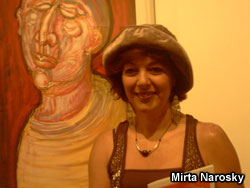
Mirta Narosky, pintora

Mirta Narosky, pintora

"Si yo quisiera abandonar el Arte, él no me dejaría"

"El arte ha sido siempre la venganza del espíritu humano contra la gente estrecha de mira." - Arthur Miller

Es fotogénica, atractiva, coqueta. Hasta la ropa de Mirta Narosky habla de su dedicación desde la infancia a los secretos del arte. Mirta, nacida en Lanús, Pcia. de Buenos Aires el 20 de octubre de 1959, es además de pintora, docente: profesora superior de tesis en la Escuela de Bellas Artes de Lanús y profesora y licenciada en artes plásticas (orientación pintura), recibida en la universidad nacional de La Plata. Participa como jurado, dicta conferencias, cursos en el IUNA (Universidad de Artes) y forma parte de mesas redondas y es Jurado de Concurso. 

La lista de exposiciones colectivas en las cuales ha participado es impresionante: más de 400. Y si todo eso no fuera suficiente, le han realizado numerosas notas en diarios, revistas, radio y TV de todo el país y también en el exterior. También es ilustradora y sus obras se encuentran en numerosos libros de Arte. Algunas de sus obras están expuestas en la Comisión Nacional de Energía Atómica, en museos del interior del país, en el Museo de arte moderno del Cuzco, y en colecciones privadas en Argentina, Brasil, Francia, Italia, Cuba, España, Bélgica e Israil. Ahora está planificando exposiciones durante 2006 en Miami, México y Chile, además de una muestra en el Senado de la Nación.

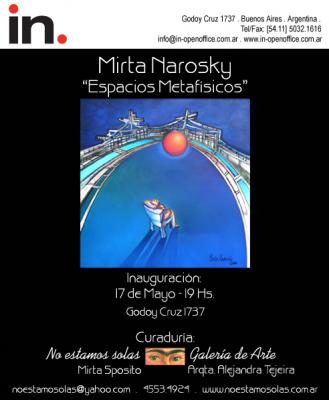
Luego de presentar recientemente "Estados del alma" en el Centro Cultural Borges, en la Ciudad de Buenos Aires, aceptó charlar con "The Buenos Aires Voz Journal."

--¿En qué estado está la pintura hoy en Argentina?"

--La Argentina tiene grandes creadores en todas las áreas. Las Artes Plásticas no son una excepción. Pero no existe el apoyo adecuado a los artistas. Por otro lado, hay una crisis mundial en las Artes visuales. Está de moda el "arte
conceptual", que según mi visión no es tal. Es una producción carente de
oficio y profundidad, absolutamente light. La pintura es conceptual de
verdad. Entonces esas producciones están obteniendo los premios y todas las
oportunidades.A unque no soy tan ecéptica: lo bueno se impondrá y lo
pasatista desaparecerá..

--Todos los artistas tienen fuentes de inspiración. ¿Cuáles han sido los suyos?

--El hombre y su circunstancia. Veo un mundo en crisis de valores. Un mundo que duele. Trabajo sobre el individuo que sufre "la realidad". como se
adapta o no a la sociedad actual. La vida es mi gran fuente de inspiración.

--¿Cúal es el sentido de sus propias obras?

--Es difícil hablar sobre la obra. Ya que elegimos ese lengaje para comunicar 
y no la palabra. Pero podríamos decir que poseo una mezcla de expresionismo, 
metafísica, algo onírico y algo conceptual. Una suma de elementos que hace que sea verdaderamente complejo de explicar. En mi imágen es fundamental un sólido soporte de dibujo y le doy mucha importancia al color y al espacio. Mi 
espacio fué variando pero posee la constancia de tratarse de espacios 
inestables, inseguros, apoyos que no son apoyos, sombras....muchas sombras 
proyectadas. Me importa llegar al alma del interlocutor, pero para ello me 
valgo de mis conocimientos técnicos, de mi razón y de mi propia 
sensibilidad. Pero todo esto no puede definirla de verdad. Es como el 
concepto de Gestalt: El todo es mucho más que la suma de sus partes.

--Esta pregunta puede molestar pero cualquier observador puede concluir que la pintura tiene un pincel dedicado al arte en su estado puro y otro que se ocupa de los negocios. ¿Cuál es lo positivo y lo negativo de ambos aspectos?

--En lo que respecta al Arte, es la experiencia más sublime que pueda
experimentar un ser humano. No hay contras en esto. Respecto al negocio, éste
sigue las reglas del mercado, sigue las digitaciones de algunos. En un punto
es bueno, pues nos conecta a los artistas con la vida corriente. Nos da de
comer....pero lamentablemente aquí es donde aparece lo oscuro: estamos
involucrados en lo bajo de la sociedad. El mercantilismo rige nuestra
suerte, la conveniencia de algunos, etc. La sociedad humana es capáz de
asesinar pueblos enteros por dinero y poder. ¿porqué el arte estaría
exceptuado de correr la misma suerte?

--¿Qué opinión tiene del público argentino frente al arte plástico? 

--El pueblo argentino no tiene demasiada cultura visual. En general gusta de
"lo bonito", aquello que decora su living. No conoce de arte como para saber
si es bueno o malo lo que ve. En otras épocas eramos más cultos al
respecto. Expuse en varios países y la experiencia resultó
bastante diferente, porque el público europeo conoce mucho más de arte. No
es casual que el ingreso de divisa en Francia sea mayor por consumo de
cultura que de football. Sería preciso mayor difusión a través de medios
masivos, visitas a los museos y exposiciones en época escolar, etc. Esto
cultivaría al pueblo argentino y lo haría capaz de discernir entre una mala
obra y una buena.

--¿Es la pintura un arte exclusivo de las clases mejor ubicadas o
puede hoy existir arte para las clases más postergadas?

--El arte es para todos. Todos pueden gozar de él. De hecho yo he expuesto en el Centro Cultural Recoleta, donde he tenido la experiencia de ver gente de la
calle emocionándose frente a mi obra. La sensibilidad no es patrimonio de
una clase social determinada. Respecto al consumo de obras de Arte:
obviamente quién no tiene para comer no puede adquirir una pintura. Pero la
clase media desconoce a sus artistas y podría perféctamente comprar obra si
estuviese cultivada para ello. He visto casas con sillones o cortinas
carísimos y en la pared una reproducción. Eso no lo ves en otros paises.
Adquieren obras de firmas nóveles, pero no cuelgan posters.

--Generalmente los artistas--actores, cantantes, bailarines--cuidan
el cuerpo, preparan sus físicos y sus mentes para entrar en un evento
artístico. ¿Antes de pintar usa alguna técnica de relajamiento, zen,
etc?

--A veces las uso para mis alumnos. Yo ya tengo un entrenamiento y una
convicción tan grandes, que la relajación es la pintura misma. Mi meditación
y conección con el universo, las llevo a cabo en la propia tarea.

--¿Está trabajando en nuevos proyectos?

--Proyectos tengo muchos. Los más próximos son: el martes 9 de mayo expongo en el Congreso de la Nación "Estados del Alma" y en unos meses voy invitada a exponer a República Dominicana acompañando unos documentos de Borges. Mi muestra "Homenaje a J.L.Borges". Le sigo contando más adelante.

--¿Alguna vez pensó abandonar el arte?

--Si yo quisiera abandonar el arte, él no me dejaría. No sé si yo lo elegí o si
el arte me eligió a mí. Creo que si sos artista....jamás podés dejar de
serlo. Es un compromiso de por vida. Es como si me preguntaran: Alguna vez
pensaste en dejar de respirar?

Antes de despedirnos de Mirta, hablamos de su variada experiencia artística. Como es muy extensa, el lector o la lectora que quiera los detalles puede ponerse en comunicarse con ella a través de los siguientes contactos:
Castillo 1724, 1414 Buenos Aires
Tel/ Fax: 4855-6396
E- mail : mirtanarosky@hotmail.com

Mirta Narosky, pintora

Mirta Narosky, pintora

Of love and ghosts

The sun is bright,  
 
Life bursts in sight,  
 
Yet despair clutches  
 
My limp soul in crutches,  
 
In disparaging desperate despair,  
 
Gasping and groping for repair.  
 
As time and patience fly  
 
Love buds and awaits to die.  
 
Are we not all lost ghosts?  
 
Ghosts of our shattered selves,  
 
Ghosts of our invented selves,  
 
Ghosts of the loves we invent  
 
Before we die in the intent.